





Free Online Platform Provides Searchable Specs, Pricing, and Performance Comparisons for Growing Humanoid Market
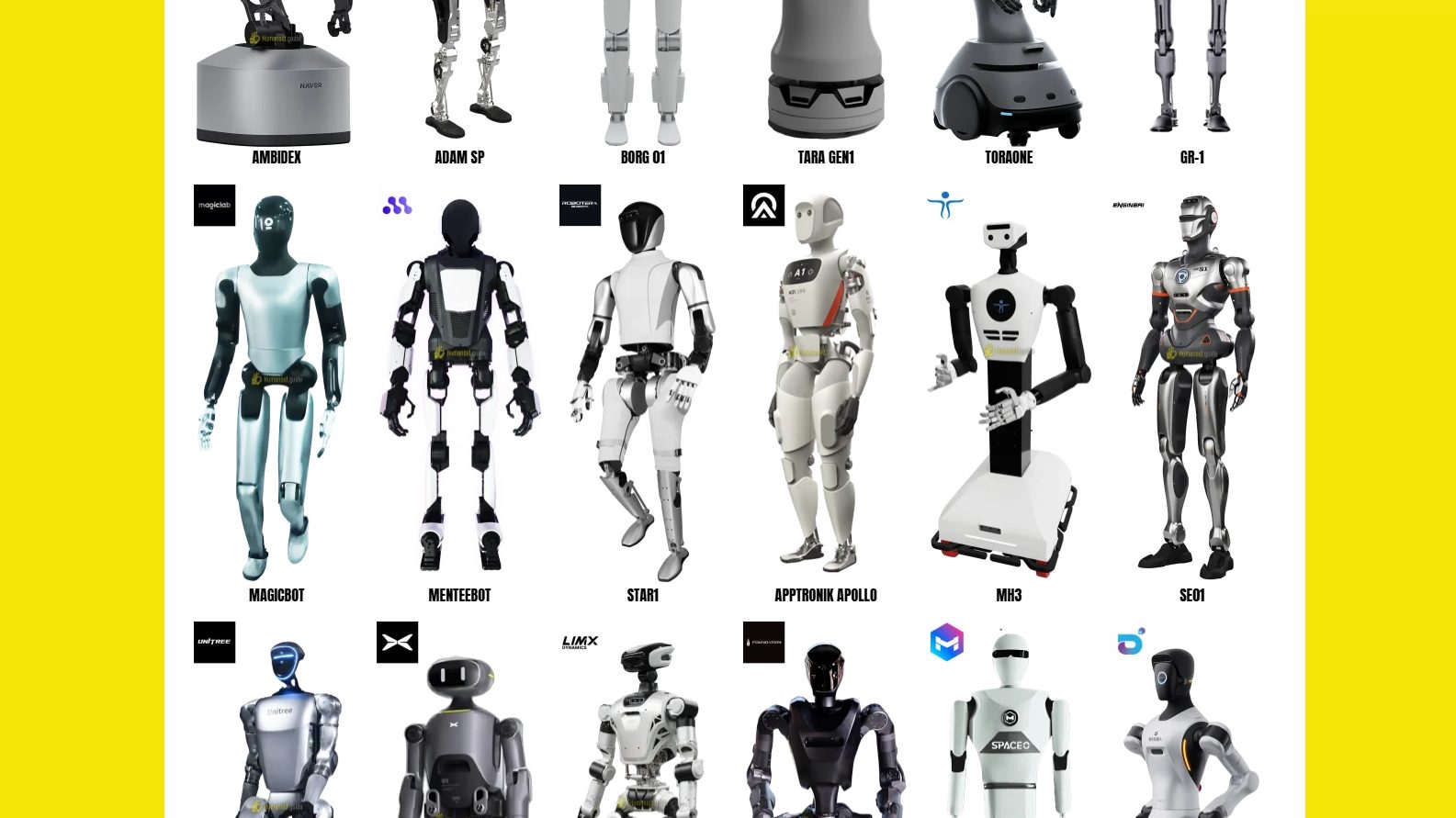
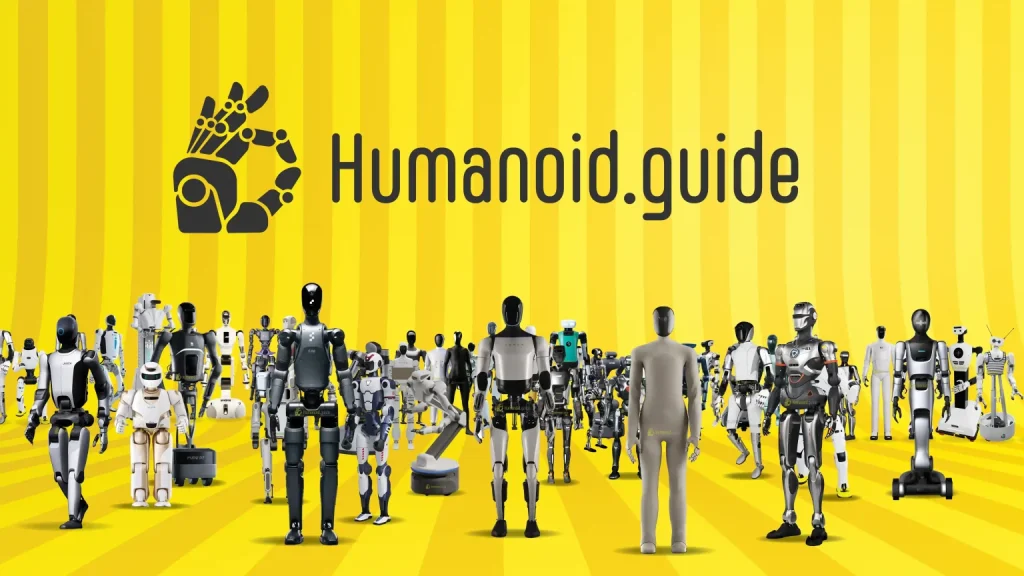
As the humanoid robotics industry explodes toward projected $15.26 billion by 2030, a new resource has emerged addressing a critical information gap: where can enthusiasts, businesses, and investors find comprehensive, comparable data on the dozens of humanoid robots now entering commercial markets? Humanoid.guide, launched in 2024, provides exactly that, a free, searchable database cataloging commercial humanoid robots with detailed specifications, pricing information, performance metrics, and comparison tools.
The platform positions itself as “the ultimate resource for the humanoid robot industry,” offering filterable data on robots from established manufacturers like Unitree, UBTech, and Boston Dynamics alongside emerging startups including Figure AI, Agility Robotics, and AgiBot. Users can compare robots by price, speed, strength, height, weight, nationality, and specialized performance metrics for navigation and manipulation, enabling informed decision-making whether purchasing for research, industrial deployment, or simply satisfying curiosity about how different humanoids stack up against each other.
Why a Humanoid Database is Needed
The timing of Humanoid.guide’s launch coincides with the industry’s transition from research prototypes to commercial products. Just five years ago, humanoid robots existed almost exclusively in university labs and corporate R&D facilities. Today, companies are deploying thousands of units across automotive manufacturing, warehouse logistics, border security, and customer service applications. This commercial explosion creates urgent need for centralized, standardized information.
Without resources like Humanoid.guide, potential buyers face fragmented information scattered across manufacturer websites, press releases, and technical papers, each presenting data in different formats making comparison difficult. The platform standardizes specifications enabling apples-to-apples comparisons. A warehouse manager evaluating humanoid options can filter by payload capacity, operating duration, and price to identify suitable candidates, then compare detailed specs side-by-side.
The database also serves market transparency functions. By aggregating pricing data, Humanoid.guide reveals how Chinese manufacturers dramatically undercut Western competitors, Unitree’s $5,900 R1 versus $200,000+ Boston Dynamics Atlas, for example. This pricing visibility helps buyers understand market dynamics while pressuring manufacturers to justify premium pricing through superior capabilities.
Humanoid.guide Features and Functionality
Comprehensive Robot Profiles
Each humanoid in the database receives a detailed profile including basic specifications (height, weight, degrees of freedom), performance metrics (walking speed, payload capacity, battery life), pricing information (when publicly available), manufacturer details and history, and links to official websites and documentation. The platform continuously updates profiles as manufacturers release new models or specifications change.
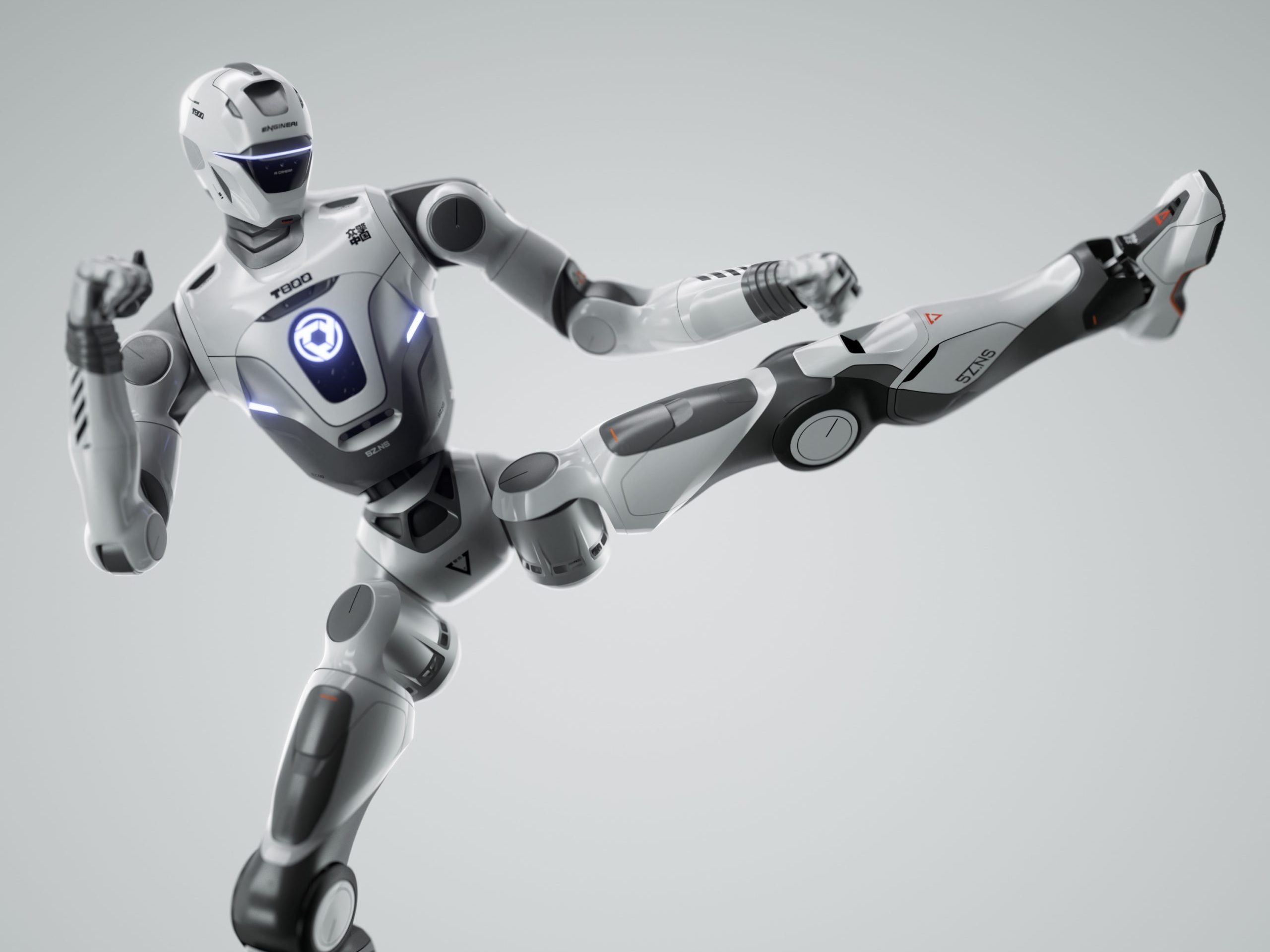
Recent additions include detailed profiles for the EngineAI T800 “combat-ready” humanoid, the Menteebot V3 designed for warehouse automation with 25kg payload capacity, and updates for Unitree’s latest H2 model priced at $29,900. The database now tracks over 94 distinct humanoid platforms from manufacturers across China, the United States, Japan, South Korea, and Europe.
Interactive Comparison Tools
Humanoid.guide’s comparison interface allows users to select multiple robots and view specifications side-by-side in standardized formats. This proves particularly valuable when evaluating purchase decisions or researching market trends. For instance, comparing walking speeds across all tracked humanoids reveals that most current robots walk 2-7 km/h, significantly slower than average human walking pace of 5 km/h, identifying a key limitation across the industry.
The platform also provides visual comparisons through charts and graphs showing market distributions of key metrics. Users can visualize how many humanoids fall into different price ranges, which countries produce the most robots, or how specifications correlate, do more expensive robots walk faster? The data visualization tools make market trends immediately apparent.
Community Driven
The database includes interactive elements encouraging community participation. Users can submit robots for inclusion if they’re building humanoids that aren’t yet listed, ensuring the database remains current as new startups launch products. A notification system alerts subscribers when new robots are added, keeping enthusiasts informed of market developments.
Infrastructure for the Humanoid Age
As humanoid robots transition from science fiction to commercial reality, information infrastructure like Humanoid.guide plays crucial enabling role. The platform doesn’t manufacture robots, develop AI systems, or organize competitions, it simply makes information accessible. Yet this seemingly modest function proves essential for, helping buyers and early adopter find the most appropriate products, manufacturers understand competitive positioning, and enthusiasts track industry progress.
For anyone seeking to understand the current state of commercial humanoid robotics, whether you’re evaluating purchase options, researching market trends, or simply fascinated by the technology, Humanoid.guide provides this comprehensive free resource.