


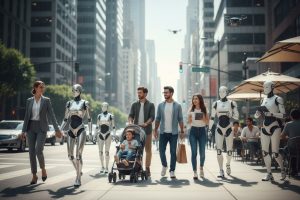


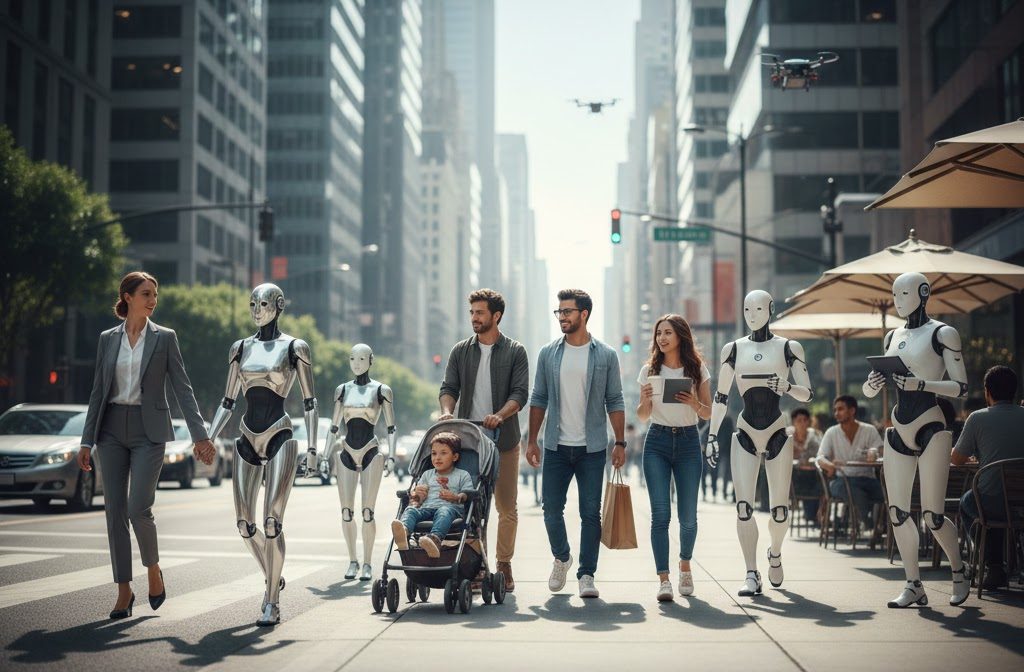
As humanoid robots become available for personal ownership, the legal landscape is messy, incomplete, and rapidly changing. Here’s what exists now, what’s inevitably emerging, and lessons from how other technologies got regulated.
LEGAL DISCLAIMER: This article is for informational purposes only and does not constitute legal advice. Laws regarding humanoid robots vary by location and are constantly evolving. Always consult qualified legal counsel and check your local, state/provincial, and national laws before purchasing or operating any humanoid robot. Information here reflects December 2025 and may quickly become outdated.
The reality is stark: you can buy a humanoid robot right now for $14,000-$50,000, but there’s no comprehensive legal framework telling you what you can and can’t do with it. Companies like EngineAI, Unitree, Tesla, and dozens of Chinese manufacturers are selling these machines to anyone who can afford them, while lawmakers scramble to figure out how to regulate them.
History shows us how this plays out. Every technology that can potentially hurt people eventually gets regulated, cars, drones, e-scooters, autonomous vehicles. Humanoid robots, capable of physical force and autonomous decision making, will be no exception. The question isn’t if, but when and how.
What Actually Exists Right Now
As of December 2025, there’s no federal law in the US, no EU wide regulation, and no international standard specifically governing personal humanoid robot ownership. Instead, we have a patchwork:
Current Standards (Limited)
ISO 25785-1 (Published May 2025): The first international safety standard for bipedal robots, but it only covers industrial workplace use, not consumer ownership. It addresses robots that need constant power to maintain balance, focusing on factory deployment scenarios.
IEEE Humanoid Study Group: Engineers and robotics experts identified physical stability as the main safety concern. According to MIT Technology Review, they recommend getting “some checks and balances in place so the industry can move forward with confidence.”
Shanghai Global Humanoid Governance Guidelines: China’s voluntary guidelines establish principles like transparency in AI, privacy protection, and risk warnings. They’re not legally binding but signal where regulation is headed.
EU AI Act: The most comprehensive framework so far. It classifies autonomous robots as “high-risk AI systems,” requiring risk management, data governance, and human oversight. But it’s about AI broadly, not humanoids specifically.
What’s Missing (Almost Everything)
Right now, there are no requirements for:
- Owner licenses or permits
- Robot registration (like car registration)
- Insurance mandates
- Age restrictions
- Rules about where robots can operate
- Maximum strength or speed limits for consumer models
- Safety certifications before sale
- Clear liability when robots cause harm
This won’t last. As more humanoids hit the streets and homes, incidents will happen, and legislators will react.
The Drone Playbook: How This Usually Goes
Drone regulation over the past 15 years gives us the clearest picture of what’s coming for humanoids. Both are autonomous machines that can cause harm, and both have passionate communities who initially resisted regulation.
Early Days (2000s-2012): Hobbyists flew drones with minimal rules. The FAA had advisory circulars, not requirements.
First Incidents (2012-2014): Drones started causing problems near airports and invading privacy. The FAA required case by case commercial approvals that were ridiculously burdensome, you needed a full pilot license to fly a drone commercially.
Practical Rules Emerge (2015-2016): Part 107 regulations created sensible standards for commercial drones under 55 pounds. No pilot license needed, just pass a knowledge test.
Tightening Continues (2020-Present): Remote ID requirements now force most drones to broadcast identification info. Registration is mandatory for anything over 250 grams. States and cities add their own rules.
What This Tells Us: Regulations start loose, tighten after incidents, then stabilize into workable frameworks. Innovation continues, but with accountability. That’s where humanoid robots are headed.
E-Scooters: When Regulation Can’t Keep Up
Electric scooters exploded onto streets before anyone figured out the rules, creating chaos.
The Consumer Product Safety Commission set baseline definitions in 2002, treating e-bikes like regular bicycles federally. But states did whatever they wanted. Some created three class systems (different rules for different speeds and assist types), others banned e-bikes from bike paths entirely.
Cities piled on more rules, where you can ride, where you can park, helmet requirements for minors, throttle assist bans. The result? A legal e-bike in California might be illegal in New York.
The Lesson: Without federal coordination, you get a confusing mess. Humanoid robot owners will likely face the same frustration, legal in one state, restricted in another, banned in a third.
Insurance: Already Happening
While most regulations are still theoretical, insurance is real and available right now.
China Pacific Insurance (CPIC) launched the world’s first humanoid specific insurance product in October 2025, named “机智保” (Ji Zhi Bao or “Smart Insurance”). This signals that the insurance industry sees commercial opportunity, and risk.
For personal ownership, most standard homeowners or renters policies don’t explicitly cover humanoid robots. If you own a $20,000+ humanoid, you should:
- Contact your insurer to add it as a scheduled item
- Ask about liability coverage if it damages property or injures someone
- Consider umbrella policies for scenarios involving serious harm
- Get quotes for specialized robot liability insurance as products emerge
Reality Check: According to consumer robot insurance experts, failing to explicitly list an expensive humanoid on your policy could leave you with no coverage if it’s stolen, hacked, or causes damage.
The Double Edged Sword of Advancing Technology
Here’s something most articles miss: as humanoid robots get more advanced, they become both safer and more dangerous.
Safer Because:
- Better sensors detect humans and avoid collisions
- More sophisticated AI understands context and makes smarter decisions
- Improved balance systems reduce falls and instability
- Precise force control means robots don’t use maximum strength unnecessarily
More Dangerous Because:
- When comparing humanoids to human athletes, robots are reaching or exceeding human capabilities in strength and speed
- A 187-pound robot with 450 N·m torque (like the EngineAI T-800) can generate forces far beyond human capability
- More autonomy means less predictable behavior
- Greater connectivity creates more hacking vulnerabilities
- AI can develop unexpected behaviors through learning
This creates a regulatory challenge: should rules require minimum sophistication (to ensure safety features) while also imposing maximum capability limits (to prevent excessive power)? There’s no easy answer.
What Different Countries Are Doing
China: Views humanoid robotics as strategic priority, projecting a $120 billion domestic market by 2030. They’re creating innovation zones with relaxed regulations while developing voluntary safety guidelines. Expect national standards to emerge once they’ve figured out what works.
European Union: The precautionary approach dominates. High regulatory burden through the AI Act, extensive documentation requirements, and strict liability frameworks. Safety and ethics before speed.
United States: No federal humanoid legislation yet. States are starting to introduce bills. Expect wide variation, innovation friendly states like Texas and Nevada versus cautious states like California. Industry currently self regulates through trade associations.
Japan & Korea: Aging populations drive adoption in healthcare and eldercare, creating pressure for favorable regulations balanced by workplace safety concerns.
Middle East: Countries like Saudi Arabia and UAE see humanoids as part of economic diversification, likely to adopt favorable regulations to attract manufacturers.
Humanoid Sports: Special Rules Coming
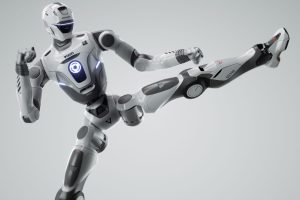
As combat humanoids like the EngineAI T-800 prepare for tournaments, organizers are creating rules from scratch. Early competitions operate in regulatory gray zones with event specific rules rather than overarching laws.
What Could Be Emerging:
Weight Classes and Power Limits: Like in boxing, robots may be classified by mass and power output. Restrictions on maximum joint torque and strike force.
Venue Safety: Requirements for barriers, emergency shutdown systems, medical personnel trained in robot related injuries, and liability insurance for organizers.
Betting Regulations: As humanoid sports potentially grows toward multi billion dollar industry status, sports betting commissions will get involved with integrity monitoring and age verification.
The December 24th, 2025 “Mecha King” tournament in Shenzhen will be the next test case for what works and what doesn’t.
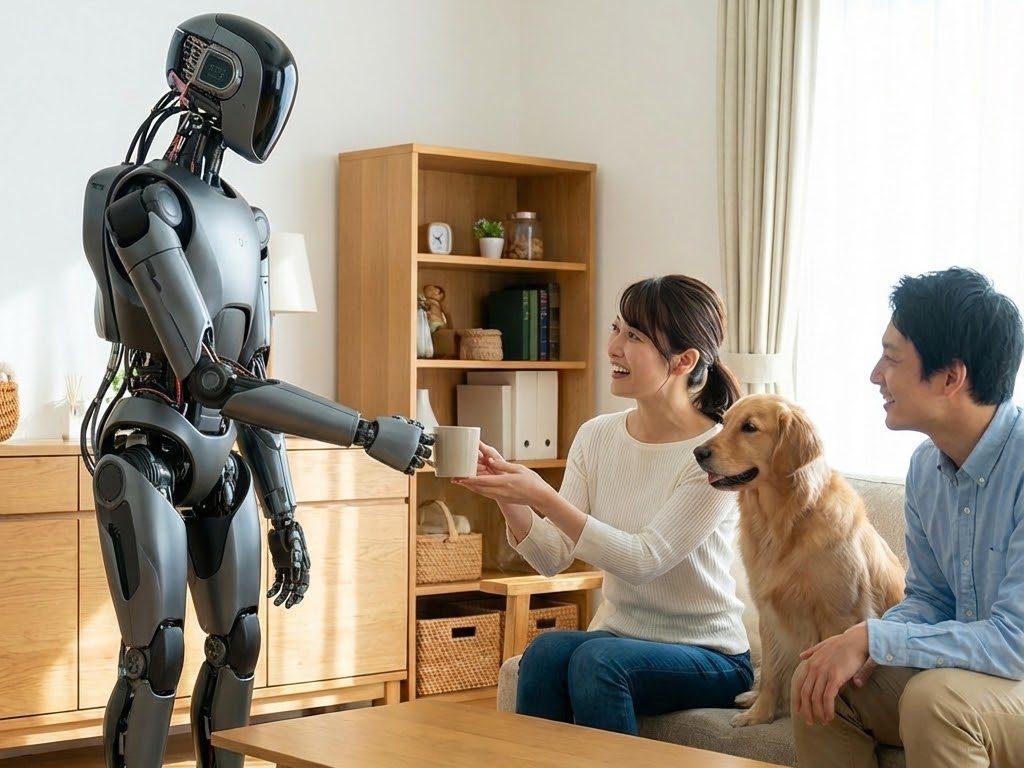
Practical Advice for Current and Future Owners
If you’re considering buying a humanoid robot, here’s what actually matters:
Check Your Local Laws:
- Research state/provincial and local ordinances
- Understand if consumer humanoids are explicitly legal or exist in gray zones
- Verify your intended uses aren’t restricted
Sort Out Insurance:
- Call your insurance company before buying
- Get explicit confirmation of what’s covered
- Budget for specialized coverage if needed
Understand Capabilities:
- Know the robot’s strength, speed, and autonomy level
- Ask if specifications might trigger future regulations
- Consider whether you actually need that much capability
Look for Safety Features:
- Physical and remote emergency stops
- Collision avoidance and human detection
- Geofencing capabilities
- Security preventing unauthorized operation
Document Everything:
- Keep purchase records, maintenance logs, training certificates
- Track software updates
- Document any incidents
- Create operating procedures for household members
Prepare for Changes:
- Monitor legislative developments
- Budget for likely future insurance and licensing costs
- Be ready to retrofit safety features if required
- Consider resale value under changing regulations
The Bottom Line
Personal humanoid robot ownership in 2025 exists in a weird limbo, the technology is here, regulations aren’t. Early adopters navigate patchwork rules knowing that the legal landscape will transform over the next few years.
Based on how drones, e-scooters, and autonomous vehicles were regulated, we can expect registration systems, licensing requirements, insurance mandates, use restrictions, safety certifications, and clearer liability frameworks to emerge between now and 2030. The details will vary wildly by location.
The goal should be enabling beneficial technology while managing real risks, not strangling innovation with excessive rules or ignoring legitimate safety concerns. Getting this balance right requires manufacturers, policymakers, safety researchers, and consumers working together.
For anyone entering this space, whether buying, building, or competing with humanoid robots, a few principles matter:
Assume regulation is coming. Plan accordingly.
Prioritize safety now. Don’t wait for mandates to implement best practices.
Stay informed. Laws are evolving fast. Join industry associations, monitor developments, engage with policymakers.
Document everything. Records protect you legally and provide data for evidence based policymaking.
Think long term. Will today’s purchase require expensive retrofits under tomorrow’s regulations?
The age of humanoid robots has arrived. The age of humanoid robot law is just beginning. We’re all figuring this out together.
Stay informed on humanoid robot regulations, safety standards, and industry trends. Subscribe to the Humanoid Sports Network newsletter for coverage of legal developments, policy analysis, and practical guidance navigating the evolving regulatory landscape.
Disclaimer: This article provides general information only and does not constitute legal advice. Laws vary by jurisdiction and change frequently. Always consult qualified legal professionals and verify current regulations in your specific location before purchasing or operating humanoid robots.