




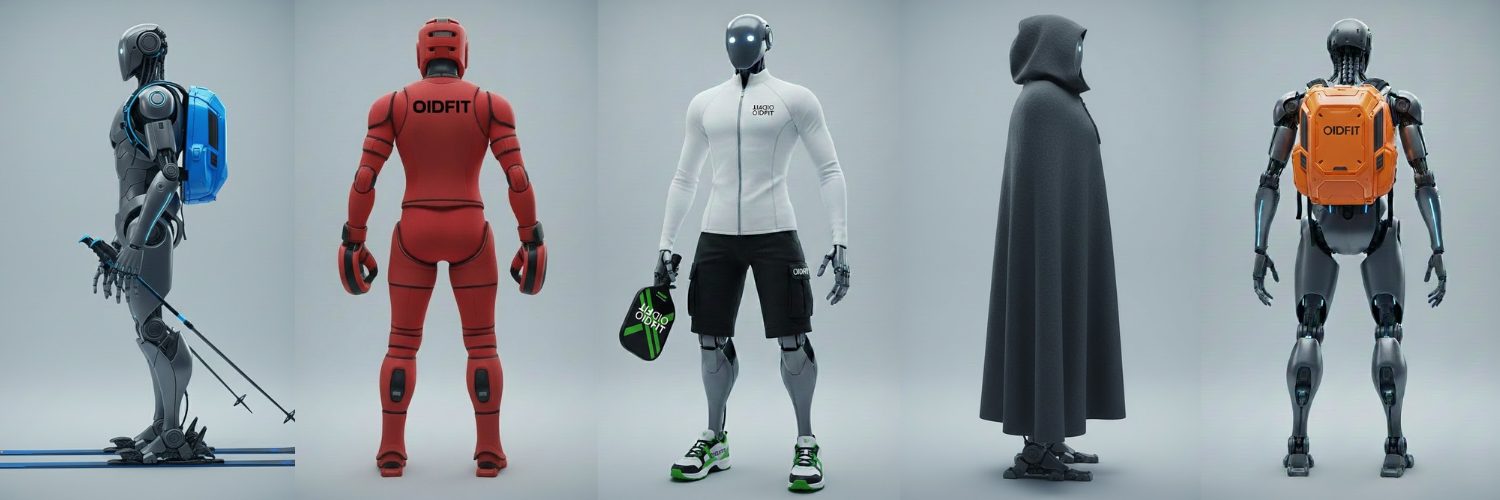
As humanoid robots transition from laboratory prototypes to factory floors and living rooms, a new industry is emerging at the intersection of fashion, engineering, and artificial intelligence, humanoid robot apparel designed for both individuality and industrial protection.
In a recent appearance on The Joe Rogan Experience podcast, Nvidia CEO Jensen Huang made a prediction that captured the imagination of tech watchers worldwide. “I want my robot to look different than your robot,” Huang explained. “So you’re gonna have a whole apparel industry for robots.” This seemingly simple observation signals the birth of an entirely new market sector, one that combines the creative expression of fashion with the practical demands of robotics engineering.
As the global humanoid robot market accelerates toward a projected value of $181.9 billion by 2035, according to Future Market Insights, the need for specialized clothing and footwear has evolved from novelty to necessity. With humanoid robot shipments expected to reach approximately 2 million units by 2035, manufacturers and owners alike are recognizing that these machines require more than just mechanical maintenance, they need wardrobes.
The Dual Purpose of Humanoid Apparel
Humanoid robot clothing serves two fundamental purposes that mirror the evolution of human clothing itself: protection and personalization. Just as early humans wore animal hides for warmth before developing fashion as cultural expression, robot apparel must first solve practical problems before it can become a statement of style.
Functional Protection: Engineering for Extreme Environments
The industrial applications driving early humanoid adoption demand robust protective solutions. Robots deployed in manufacturing facilities, warehouses, and hazardous environments face threats that would quickly degrade their sophisticated components without proper shielding.
Industrial Hazards Requiring Protective Apparel:
- Particulate Contamination: Dust, metal shavings, and airborne debris can infiltrate joints and sensors, causing premature wear and system failures
- Liquid Exposure: Water, oils, chemicals, and cleaning solutions pose risks to electrical systems and create slip hazards
- Thermal Extremes: Heat from welding operations, foundries, or cold storage environments affects battery performance and component longevity
- Electrical Hazards: Static discharge and electromagnetic interference can disrupt sensitive circuitry
- Mechanical Wear: Abrasion from repetitive movements and contact with rough surfaces degrades exposed components
Boston Dynamics’ PETMAN (Protection Ensemble Test Mannequin) pioneered this concept over a decade ago, demonstrating how humanoid robots could test chemical protective clothing for military applications. The robot’s ability to simulate human physiological responses, including temperature regulation and sweating, while wearing protective gear provided unprecedented insights into gear performance under realistic conditions.
Today’s commercial protective robot apparel draws from this foundation while addressing new challenges. Specialized materials including fire resistant fabrics, anti static coatings, and self cleaning textiles are being engineered specifically for the unique anatomy and movement patterns of humanoid robots. Unlike traditional industrial robot covers, humanoid apparel must accommodate complex bipedal locomotion, articulated hands, and integrated sensors while maintaining the robot’s balance and range of motion.
Fashion and Individualization: The Human Touch
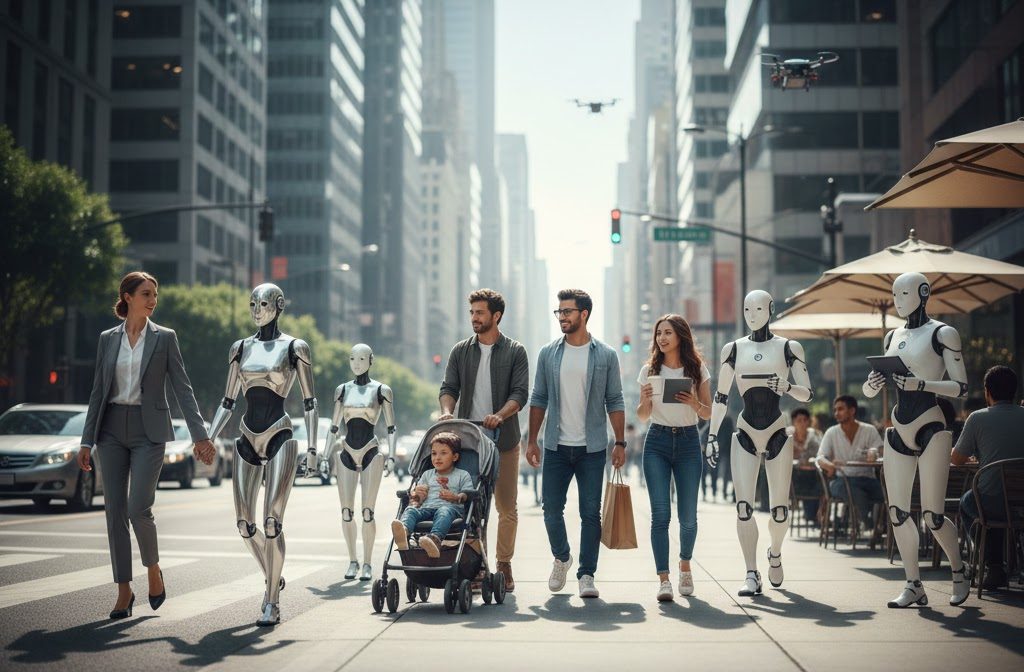
Beyond protection lies an equally important dimension—personalization. As humanoid robots transition from purely industrial tools to customer facing service roles and eventually household companions, their appearance becomes a critical factor in human robot interaction and acceptance.
The psychological impact of humanoid appearance cannot be overstated. Research in human robot interaction consistently demonstrates that people respond more positively to robots that appear friendly, approachable, and distinct. Clothing provides an immediate visual identifier that can communicate a robot’s purpose, personality, and even the values of its owner or operator.
Applications for Personalized Humanoid Apparel:
- Corporate Branding: Retail and hospitality robots wearing company uniforms that reinforce brand identity
- Service Differentiation: Healthcare robots in medical scrubs, concierge robots in formal attire
- Household Expression: Home robots reflecting owner preferences, from casual to sophisticated styles
- Cultural Appropriateness: Region specific clothing that respects local customs and expectations
- Task Indication: Visual cues that signal a robot’s current function or authority level
Companies like OIDFIT are pioneering this emerging space, building specialized offerings in humanoid apparel and accessories. The startup is currently developing a waitlist of early adopters and aspiring humanoid owners, individuals who recognize that robot ownership will extend beyond technical specifications to encompass aesthetic choices and personal expression.
Performance Enhancing Footwear and Specialty Gear
While upper body apparel addresses protection and appearance, specialized footwear represents a critical frontier in humanoid performance optimization. The challenge of bipedal locomotion, the defining characteristic that separates humanoid robots from wheeled alternatives, demands footwear solutions that enhance stability, efficiency, and adaptability.
Key Footwear Innovations for Humanoids:
- Grip Enhanced Soles: Advanced traction patterns and materials that maintain stability on varied surfaces, from polished warehouse floors to outdoor terrain
- Impact Absorption: Cushioning systems that protect leg actuators and reduce energy consumption during walking and running
- Electrical Insulation: Non conductive materials for robots working in environments with electrical hazards
- Modular Designs: Quick change footwear systems that allow robots to adapt to different tasks without downtime
- Sensor Integration: Embedded pressure sensors and grip monitors that provide real time feedback on surface conditions
The development of specialized running shoes for humanoid robots addresses efficiency challenges inherent in bipedal locomotion. While wheeled robots remain more energy efficient for simple transportation, humanoid robots equipped with optimized footwear can navigate stairs, uneven terrain, and human designed spaces that remain inaccessible to traditional robots. This capability justifies the added complexity of bipedal design in countless applications.
The Growing Market and Investment Landscape
The humanoid apparel industry is emerging alongside explosive growth in the broader robotics sector. With China leading in humanoid development and deployment, followed by the United States, regional manufacturing hubs are developing specialized textile capabilities to serve local robot populations.
According to Morgan Stanley Research, the humanoid robotics market could surpass $5 trillion by 2050, including supply chains, maintenance, and support networks. Within this ecosystem, apparel and accessories represent a recurring revenue opportunity, robots will require clothing replacement due to wear, changing seasons, evolving tasks, and owner preferences for variety.
The investment community is taking notice. Venture capital flowing into humanoid robotics startups has exceeded $9.8 billion as of October 2025, with major players including OpenAI, Softbank, Amazon, Nvidia, and Microsoft backing companies developing embodied AI. While most funding targets core robotics development, forward thinking investors recognize that auxiliary markets like apparel will capture significant value as adoption scales.
The Competitive Landscape: From Startups to Established Players
The humanoid apparel market currently features a mix of specialized startups, traditional protective equipment manufacturers pivoting to robotics, and fashion brands exploring this unconventional frontier.
Market Participants:
- Robotics Native Startups: Companies like OIDFIT building expertise specifically for humanoid form factors
- Industrial Safety Suppliers: Established firms adapting chemical resistant suits and protective gear for robotic applications
- Fashion Technology Ventures: Design focused companies treating robot clothing as a new creative canvas
- Material Science Innovators: Firms developing smart fabrics with embedded sensors and self cleaning properties
The convergence of these diverse players creates a rich competitive environment where technical expertise, design sensibility, and understanding of robotic constraints all contribute to market success. Early leaders will likely emerge from companies that can balance all three dimensions while building relationships with major humanoid manufacturers and corporate robot operators.
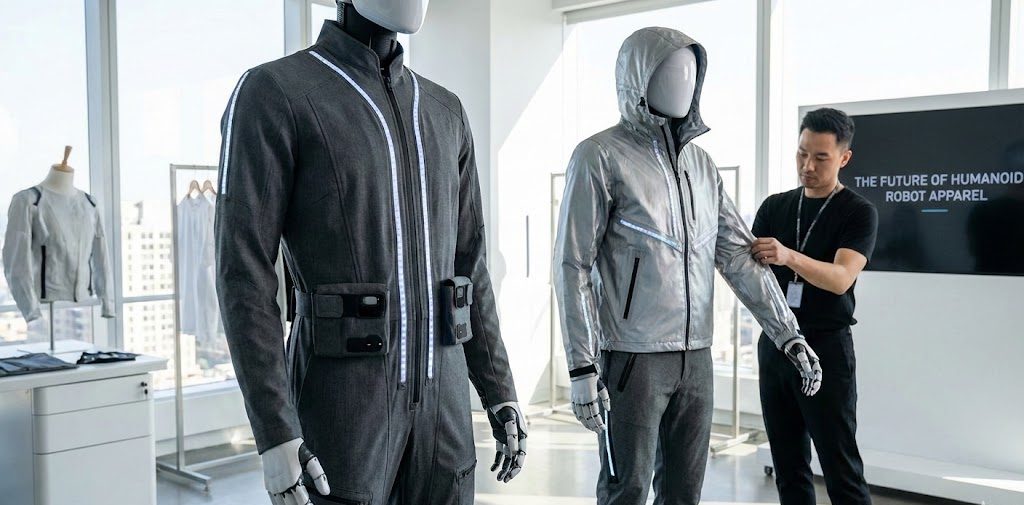
Real World Deployments and Use Cases
While consumer humanoid ownership remains limited in 2025, industrial and commercial deployments are providing real world validation for specialized apparel solutions. These early applications offer insights into what will matter as the market scales.
Current Deployment Examples:
- Automotive Manufacturing: Robots like Apptroniks’ Apollo at Mercedes Benz facilities benefit from flame resistant coverings during proximity to welding operations
- Warehouse Operations: Agility Robotics’ Digit robots in logistics facilities use protective gear against packaging materials and environmental exposure
- Hospitality Services: Customer facing robots in hotels and restaurants wear branded uniforms that signal approachability and role
- Healthcare Settings: Medical facility robots require anti microbial fabrics and easy to sanitize materials that maintain infection control standards
These deployments demonstrate that apparel isn’t merely aesthetic, it directly impacts operational efficiency, safety compliance, and human acceptance of robotic coworkers.
Design Challenges: Engineering Meets Aesthetics
Creating effective humanoid robot apparel requires solving unique challenges that don’t exist in human fashion or traditional industrial robot protection.
Technical Considerations:
- Joint Articulation: Fabrics must flex with complex mechanical joints without bunching, tearing, or restricting movement
- Sensor Accommodation: Cameras, LIDAR, and tactile sensors integrated into robot bodies require clear access or transparent materials
- Weight Distribution: Additional mass from clothing affects balance algorithms and energy consumption
- Heat Management: Robots generate significant heat from actuators and processors, requiring breathable or heat dissipating materials
- Attachment Systems: Fasteners must secure reliably without interfering with movement or requiring complex dressing procedures
- Cleaning and Maintenance: Fabrics must withstand industrial cleaning processes or feature self cleaning properties
Material scientists are developing novel textiles that address these requirements. Smart fabrics incorporating conductive threads, phase change materials for temperature regulation, and nano coatings for stain resistance represent just the beginning of this materials revolution. The intersection of textile engineering and robotics is producing innovations that may eventually feed back into human clothing applications.
Regulatory and Safety Considerations
As humanoid robots move into workplaces and public spaces, regulatory frameworks are evolving to address safety, liability, and operational standards. Apparel plays a surprising role in these emerging regulations.
The International Organization for Standardization (ISO) working group developing standards for “industrial mobile robots with actively controlled stability” considers the safety implications of robot appearance and identification. Clothing serves as a visual indicator of robot function, ownership, and safety protocols, similar to how high visibility vests identify human workers in hazardous areas.
Insurance providers entering the humanoid robot coverage market are also evaluating apparel requirements. Protective gear that reduces damage from falls, collisions, or environmental exposure could lower premiums, creating economic incentives for proper clothing maintenance. As consumers begin adopting home humanoids, understanding humanoid robot ownership laws, regulations, and insurance requirements becomes essential.
Cultural Dimensions and Global Variations
The internationalization of humanoid robotics introduces fascinating cultural considerations for apparel design. Robots deployed in different regions must respect local customs, climate conditions, and aesthetic preferences.
Regional Considerations:
- Climate Adaptation: Robots in tropical environments require different thermal management than those in Arctic conditions
- Cultural Sensitivity: Religious and social norms around appropriate dress extend to humanoid appearance in many societies
- Fashion Trends: Regional style preferences influence acceptable robot appearances, from minimalist Scandinavian design to colorful Asian pop aesthetics
- Occupational Norms: Professional expectations for robot appearance vary by industry and geography
Japanese robotics companies have long prioritized emotional design and cultural harmony in their humanoid platforms, characteristics reflected in robot appearance and clothing choices. Chinese manufacturers emphasizing rapid scaling and cost efficiency may prioritize functional protection over aesthetic refinement. Western companies often balance both dimensions while focusing on brand differentiation.
The Connection to Broader Humanoid Development
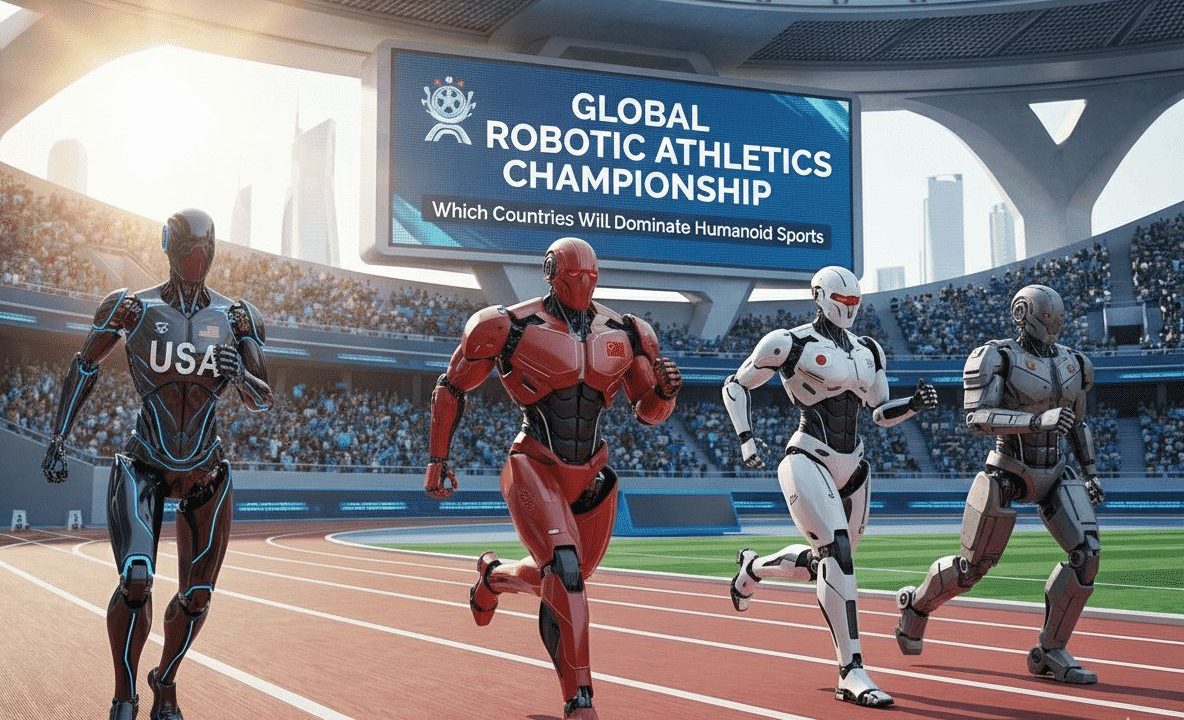
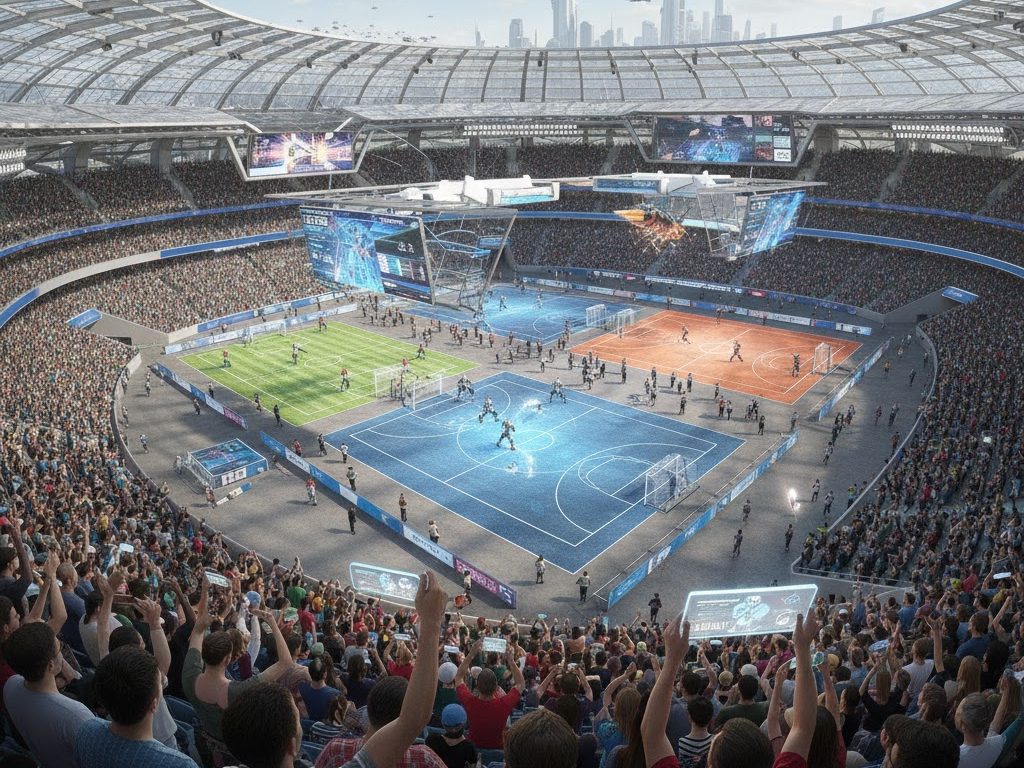
Humanoid apparel development doesn’t exist in isolation, it parallels and supports broader advances in robotics capabilities. As platforms demonstrate increasingly sophisticated abilities, from impressive athletic feats to world first basketball demonstrations, appropriate clothing becomes essential for protecting these valuable machines during dynamic activities.
The global competitive landscape in humanoid development also influences apparel markets. Japan’s Humanoid Robot Alliance recently expanded in response to Chinese dominance, aiming for fully Japanese made humanoids by 2027, an initiative that will necessarily include domestically produced apparel and accessories. Similarly, China’s automakers investing in humanoid robotics will require industrial grade protective clothing for factory deployments.
The Path Forward: 2025 to 2035
As humanoid adoption accelerates through the late 2020s and into the 2030s, the apparel industry will evolve through distinct phases.
Near Term (2025-2027): Industrial Focus
- Protective gear dominates as early deployments prioritize workplace safety
- Limited style variation focused on corporate branding and task identification
- High prices reflecting low production volumes and specialized engineering
Medium Term (2028-2032): Consumer Emergence
- Home humanoid adoption creates demand for aesthetic variety
- Price reductions enable multiple outfit ownership
- Fashion designers and brands enter the market with signature collections
- Social media influencers showcase robot styling, creating trends
Long Term (2033-2035): Mature Market
- Robot clothing becomes normalized consumer category
- Seasonal collections and fashion trends mirror human clothing cycles
- Smart apparel with integrated sensors and adaptive properties becomes standard
- Sustainability concerns drive recyclable and biodegradable robot clothing materials
By 2035, when humanoid robots number in the millions globally, the apparel industry supporting them could represent billions in annual revenue—a new category as routine as smartphone cases or laptop bags are today.
Business Opportunities and Market Entry
Entrepreneurs and established companies eyeing this emerging market should consider several strategic approaches:
Fashion Brands:
- Leverage design expertise and brand recognition to create premium robot clothing lines
- Partner with robotics manufacturers for co-branded offerings
- Explore limited edition collections that generate buzz and test market response
Material Scientists and Engineers:
- Develop proprietary fabrics addressing specific robotic challenges
- License technology to multiple apparel manufacturers
- Focus on B2B supply chains rather than direct consumer sales
For Robotics Companies:
- Bundle basic apparel with robot purchases to establish baseline expectations
- Create official merchandise lines generating recurring revenue
- Partner with apparel specialists rather than attempting in house development
Retailers and E-Commerce:
- Build dedicated robot apparel categories and shopping experiences
- Offer customization and made to order services
- Develop expertise in fitting challenges and return policies for robotic customers
The companies that succeed will combine technical understanding of robotic constraints with creative design sensibility and efficient manufacturing capabilities. Early movers establishing brand recognition and distribution relationships will enjoy significant advantages as the market expands.
Sustainability and Ethical Considerations
As with any emerging industry, humanoid apparel faces important questions about environmental impact and ethical production.
Key Concerns:
- Material Waste: Will rapid robot deployment create mountains of discarded protective gear?
- Production Ethics: How can the industry avoid exploitative labor practices while maintaining cost competitiveness?
- Longevity vs. Fashion: Should robot clothing prioritize durability over style trends that drive replacement purchases?
- Recycling Infrastructure: What systems will handle end of life robot clothing disposal?
Forward thinking companies are already addressing these challenges. Modular designs allowing component replacement rather than complete garment disposal, biodegradable smart fabrics that maintain performance while reducing environmental persistence, and circular economy models where manufacturers take back used clothing for recycling represent promising approaches.
The humanoid apparel industry has the opportunity to learn from human fashion’s mistakes, avoiding fast fashion’s environmental devastation while building a sustainable model from inception. Consumer pressure and regulatory requirements will likely enforce higher standards than traditional clothing markets currently maintain.
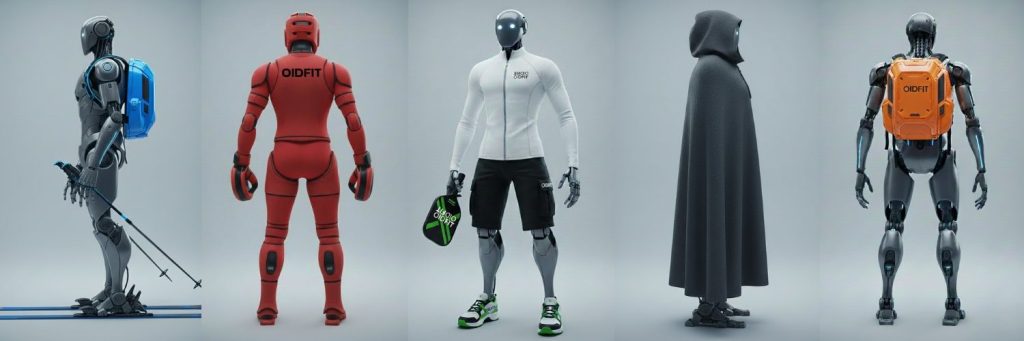
Looking Ahead: The Humanoid Wardrobe of Tomorrow
Imagine walking into a robot outfitting store in 2035. Humanoid robots stand throughout the showroom, modeling the latest collections. Some wear industrial exosuits with integrated tool pouches and reinforced joints. Others sport casual home wear designed for comfort during household tasks. A corner features formal attire for customer facing service robots, while another section displays athletic gear for robots engaged in physical training or competitive events, yes, robot combat sports are already emerging.
A shop assistant (possibly human, possibly humanoid) helps you select outfits appropriate for your robot’s primary functions while allowing personal expression through color, style, and accessories. Smart fitting rooms use 3D scanning to ensure perfect proportions for your robot’s specific make and model. Checkout includes registration for a clothing subscription service that will automatically ship seasonal replacements as your robot’s gear wears.
This vision isn’t science fiction, it’s the logical extension of current trends. As Jensen Huang observed, the desire for individualization is fundamental to human nature, and we extend that desire to our possessions. Humanoid robots, with their approximation of human form and increasingly sophisticated capabilities, will become canvases for personal expression just as surely as our homes, vehicles, and personal devices already are.
A New Chapter in Fashion and Robotics
The emergence of humanoid robot apparel represents more than just a new product category, it symbolizes the deepening integration of artificial intelligence and robotics into daily life. When robots require wardrobes, they’ve transcended their status as mere tools to become entities that occupy social and cultural space alongside humans.
In the fashion industry, this represents unprecedented expansion into a market that didn’t exist five years ago and may rival human clothing in scale within two decades. For robotics manufacturers, apparel partnerships offer differentiation opportunities and recurring revenue streams. And for consumers and businesses adopting humanoid robots, clothing choices provide agency and expression in an increasingly automated world.
The companies building this industry today, from specialized startups like OIDFIT to established players adapting their expertise are laying foundations for a market that could define the 2030s and beyond. Their success will determine not just what robots wear, but how we relate to artificial beings sharing our spaces and, increasingly, our lives.
Stay Ahead of the Humanoid Revolution
The convergence of robotics, AI, and human culture is creating unprecedented opportunities and challenges. From industrial deployments to consumer adoption, the humanoid revolution is accelerating faster than most predicted. Don’t miss critical insights on market trends, breakthrough technologies, and emerging opportunities.
Subscribe to the Humanoid Sports Newsletter for weekly analysis delivered directly to your inbox. Join thousands of industry professionals, investors, and enthusiasts tracking the most important technological transformation of our generation.